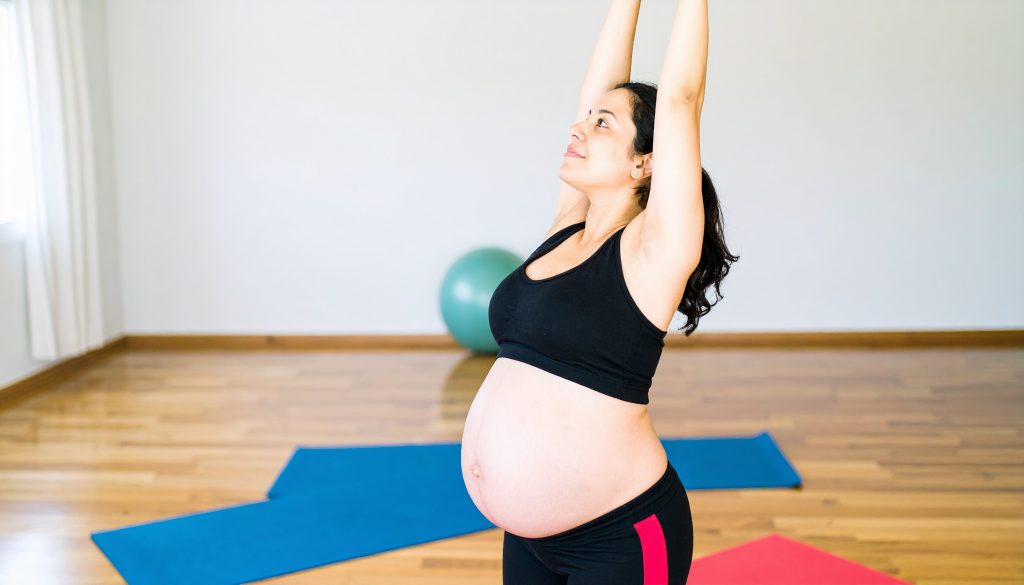
One of the most common questions I hear from patients is: “Can I still exercise?”. Many women worry about doing too much, doing the “wrong” thing, or unintentionally putting their baby at risk. Others are unsure whether they should stop exercising altogether. The good news is that for most women, not only is exercise safe during pregnancy — it is actively encouraged. When tailored to your individual health and pregnancy, staying active can support your physical wellbeing, mental health, pregnancy outcomes, and postnatal recovery.
Is It Safe to Exercise During Pregnancy?
For the majority of women with uncomplicated pregnancies, yes — exercise is safe throughout pregnancy.
Large studies and national guidelines consistently show that moderate exercise does not increase the risk of miscarriage, preterm birth, or harm to the baby. In fact, remaining active is associated with better overall pregnancy outcomes.
That said, exercise advice should never be one-size-fits-all. Your medical history, pregnancy progress, baseline fitness, and any complications all matter. This is why personalised obstetric advice is important — particularly if you are unsure or feel anxious about exercise.
The Benefits of Exercise in Pregnancy
Exercise during pregnancy offers a wide range of physical and psychological benefits, many of which extend into birth and the postnatal period.
Physical Benefits
Regular, appropriate exercise in pregnancy is associated with:
- Improved cardiovascular fitness
- Reduced back pain and pelvic discomfort
- Better posture and muscle tone
- Reduced constipation and bloating
- Improved circulation and reduced swelling
- Lower risk of gestational diabetes
- Healthier pregnancy weight gain
Women who remain active often report feeling more physically capable and comfortable as pregnancy progresses.
Mental and Emotional Benefits
Pregnancy can be emotionally demanding, particularly for women who have experienced loss, infertility, or complicated pregnancies. Exercise has been shown to:
- Reduce stress and anxiety
- Improve mood
- Support better sleep
- Increase confidence and body awareness
- Reduce the risk of pregnancy-related depression
Even gentle activity can make a meaningful difference to mental wellbeing.
Benefits for Birth and Recovery
Staying active during pregnancy may also:
- Improve stamina for labour
- Support mobility during birth
- Reduce the risk of blood clots
- Support faster postnatal recovery
- Improve return to activity after birth — including after caesarean section
When Exercise May Not Be Appropriate
For some women, exercise during pregnancy carries additional risk and a more cautious approach is needed. You should always seek consultant-level advice before continuing or starting an exercise programme if you have any of the following:
- A cervical stitch (cerclage) in place
- A low-lying placenta after 26 weeks
- Pre-eclampsia or pregnancy-induced hypertension
- A multiple pregnancy (twins or more) with risk factors
- Preterm labour in the current or a previous pregnancy
- Significant fetal growth restriction
This is not an exhaustive list. If you have any concerns about whether exercise is right for you in your particular pregnancy, please do not hesitate to seek medical advice..
What Types of Exercise Are Safe?
For women with uncomplicated pregnancies, the following activities are generally considered safe and appropriate:
Walking
One of the simplest and most accessible forms of exercise, brisk walking is excellent throughout pregnancy. It keeps your cardiovascular system healthy, is low impact, and can be done at your own pace right up to your due date. Walking outdoors also offers mental health benefits and can help with sleep.
Swimming and Aquanatal Classes
Water supports your weight, making swimming a wonderfully comfortable option as your bump grows. Aquanatal classes are specifically designed for pregnant women and offer a safe, sociable way to exercise with expert guidance. Many women find water-based exercise helpful for swelling, back pain, and pelvic discomfort.
Pregnancy Yoga and Pilates
Both focus on breathing, flexibility, and core strength — all of which are highly beneficial during pregnancy and labour. Look for classes specifically designed for pregnant women, as some standard poses are not appropriate in pregnancy.
Stationary Cycling
A stationary bike is a safe and effective way to maintain cardiovascular fitness, particularly in the later stages of pregnancy when balance becomes more challenging and outdoor cycling carries a risk of falls.
Light Resistance Training
With appropriate modifications, light weights and resistance exercises can help maintain muscle tone and strength. It is important to avoid heavy lifting and to work with a qualified instructor who has experience with pregnant clients.
What to Avoid
Certain activities are best avoided during pregnancy due to increased risk of injury or harm.
- Contact sports such as boxing, martial arts, or rugby, where there is a risk of abdominal trauma.
- High-impact or high-fall-risk activities such as skiing, horse riding, or gymnastics.
- Exercising at high altitude if you are not already acclimatised, as this can reduce oxygen availability to your baby.
- Scuba diving at any stage of pregnancy
- Activities that involve lying flat on your back for prolonged periods after 16 weeks
Overheating should also be avoided, particularly in early pregnancy. Stay well hydrated, exercise in a cool environment, and stop if you feel unwell.
How Intensely Should You Exercise?
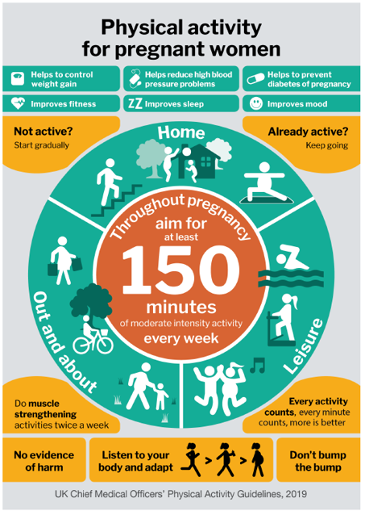
A useful guide is the “talk test”: you should be able to hold a conversation while exercising. If you are too breathless to speak, you are working too hard. Aim for moderate intensity — you should feel your heart rate increase and feel warmer, but not be breathless or exhausted.
Current guidelines from the Royal College of Obstetricians and Gynaecologists (RCOG) recommend that pregnant women aim for at least 150 minutes of moderate-intensity exercise per week, spread across the week. This might sound like a lot, but it can be broken down into manageable chunks — for example, 20–30 minutes of activity most days.
Warning Signs to Stop Exercising
Stop exercising immediately and seek medical advice if you experience any of the following:
- Chest pain or palpitations
- Dizziness or feeling faint
- Shortness of breath before exertion
- Vaginal bleeding
- Painful uterine contractions or severe abdominal pain
- Reduced baby movements
- Fluid leaking from the vagina
If You Exercised Before Pregnancy
If you were active before pregnancy, you can usually continue your usual activities with sensible modifications. This may involve:
- Reducing intensity
- Avoiding high-impact or high-risk activities
- Allowing more rest and recovery
- Being guided by how your body feels rather than performance goals
Pregnancy is not the time to train for personal bests.
If You’re New to Exercise
If you were not previously active, pregnancy is still a safe time to start exercising — gently. Walking, swimming, and pregnancy-specific classes are excellent places to begin. Start out slowly and gradually increase your activity. Begin with as little as 5 minutes a day. Add 5 minutes each week until you can stay active for 30 minutes a day.
Consistency matters more than intensity. Small amounts of regular movement are far more beneficial than occasional strenuous sessions.
Final Thoughts: Staying Active With Confidence
Exercise during pregnancy is not about performance, weight loss, or pushing limits. It’s about supporting your physical and emotional wellbeing through a period of profound change.
With sensible choices, good guidance, and personalised advice, most women can remain active safely and confidently throughout pregnancy — and benefit from doing so long after birth.
If you would like to discuss your pregnancy care or have any questions, please feel free to get in touch via my website.
Hi, this is a comment.
To get started with moderating, editing, and deleting comments, please visit the Comments screen in the dashboard.
Commenter avatars come from Gravatar.